Global connection, local exception:
03.Sep 2026
Global connection, local exception: The gateway politics of infrastructure in an Italian port city
Published in Urban Geography
Alberto Valz Gris
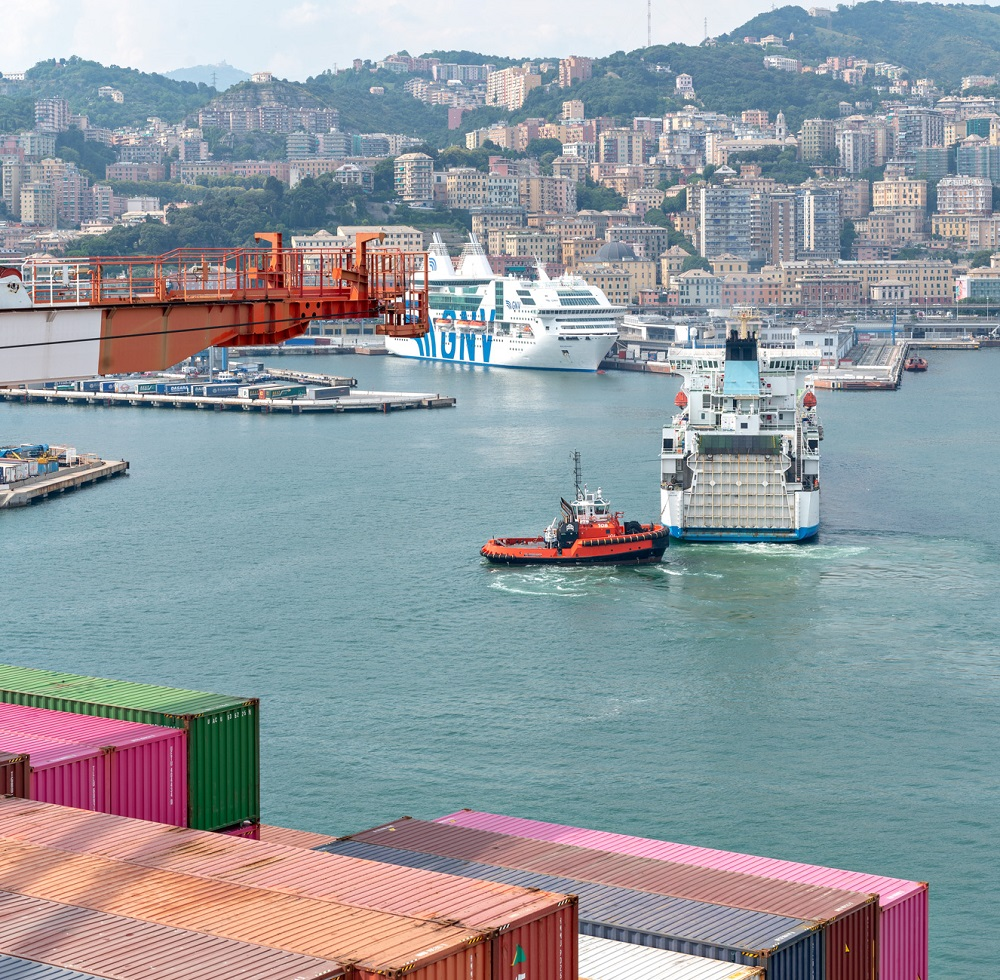
In the context of a global push for infrastructure, states pursue spatial strategies to secure centrality in global networks and control logistical flows. Contemporary scholarship on the infrastructure state calls for examining the reorganization of urban environments that sustains the project of global connectivity. In conversation with different strands of infrastructure studies focusing on the interconnected issues of temporality, failure and authoritarianism, I advance the concept of gateway politics to capture how global connectivity is produced through specific urban governance regimes and infrastructural transformations. Drawing on the case of the Italian port city of Genoa, I examine the making of the so-called “Genoa model” of infrastructure-led development following the collapse of a highway bridge in 2018. Through a genealogical engagement with the city’s recent history, I show how a state-led regime of exception was spatially and temporally extended across subsequent infrastructure megaprojects. This resulted in an authoritarian turn in urban governance and the restriction of democratic decision-making on large-scale infrastructure. By conceptualizing this dynamic as gateway politics, I contribute to debates on the urbanization of global infrastructure, extending contemporary readings of the infrastructure state, and call for further comparative research on the authoritarian tendencies embedded in contemporary megaprojects.
Menu